
Teen Substance Abuse Treatment: Quick Answer
Teen substance abuse treatment ranges from outpatient counseling to full residential care. The right level depends on how serious the substance use is, whether a mental health condition is present, and how safe the teen’s home environment is. For teens whose use is regular, escalating, or paired with anxiety or depression, residential treatment offers the most structure. The most important factors in any program are accreditation, licensed clinicians, family involvement, continued schooling, and an aftercare plan.
- Outpatient: the teen lives at home and attends scheduled sessions; best for milder use with strong support.
- Residential: the teen lives on site with 24/7 support; best for regular or escalating use or co-occurring conditions.
Understanding Teen Substance Abuse
Substance abuse in teens covers a wide range, from repeated alcohol or marijuana use to misuse of prescription pills or other drugs. What makes it different from adult substance abuse is context: teens are still developing, still in school, and still living at home, so treatment has to account for their age, their education, and their family. Left unaddressed, teen substance use can interfere with brain development, school, and relationships, which is why early treatment matters.
Levels of Teen Treatment
Treatment is usually described by its level of care. Outpatient treatment lets a teen live at home and attend counseling on a set schedule, which can work well when use is mild and the home is stable and supportive. Residential treatment, sometimes called inpatient, has the teen live at the facility for the length of the program, providing round-the-clock support, a substance-free environment, and daily therapy. Residential care is the right choice when substance use has outgrown what weekly sessions can manage or when a mental health condition is also present.
Eagle Overlook Recovery is a residential program. If you are weighing whether that level of care fits your teen, our teen residential treatment page walks through who residential care is for and what a day in the program looks like.
What to Look for in a Program
Not every program that treats teens offers the same quality of care. As you compare options, look for these markers:
- Accreditation and licensing: a Joint Commission accreditation and a state license show the program meets recognized standards.
- Licensed clinicians and a low ratio: ask how many clients each clinician carries; smaller is better for individualized care.
- Family involvement: the best programs treat the family, not just the teen.
- School support: a teen should be able to keep up with education during treatment.
- Aftercare planning: a clear plan for the transition home is what protects the progress made in treatment.
What a Day in Residential Treatment Looks Like
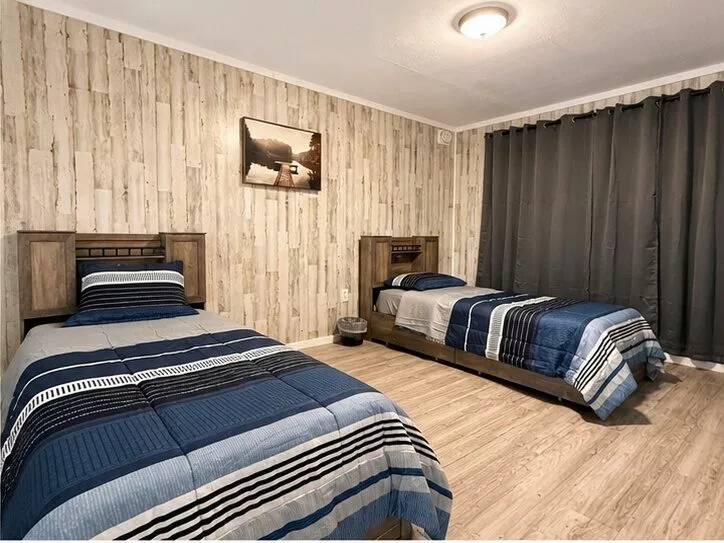
Parents often want to picture what their teen’s days will actually be like. In a quality residential program the day follows a predictable rhythm, and that structure is part of the treatment. A typical day includes classroom time so schoolwork continues, individual and group therapy, meals together, physical activity or time outdoors, and periods of rest. Evenings may include support meetings, quiet reflection, or scheduled family calls.
The consistency of that schedule replaces the chaos that often surrounds a teen who is using substances, and it rebuilds healthy habits around sleep, nutrition, and routine that support recovery. Structure is not about control for its own sake. It gives a teen a stable base from which to do the harder emotional work of understanding why they used and how to live differently.
Questions to Ask Before Choosing a Program
Before you commit to a program, a few direct questions will tell you a great deal about its quality:
- Is the program accredited by the Joint Commission and licensed by the state?
- What is the ratio of clients to licensed clinicians?
- How is schooling handled so my teen does not fall behind?
- How often will our family take part in therapy?
- What does the aftercare plan look like when treatment ends?
Residential Treatment at Eagle Overlook
Eagle Overlook Recovery meets each of those markers. It is a residential program for boys and girls ages 13 to 18, accredited by the Joint Commission and licensed by the State of Georgia, on a private campus in the Blue Ridge Mountains of Dahlonega. The program is capped at 20 clients with a ratio of one licensed clinician to every eight teens, uses evidence-based and experiential therapies, keeps teens on track with a dedicated Education Coordinator, and involves families throughout.
Eagle Overlook is a private-pay program. Our admissions team will walk you through costs and payment options, and can help you check any out-of-network insurance benefits you may have. To ask about starting treatment, payment options, or the admissions process, visit our admissions and insurance page or call our team. You can also learn about our full approach to residential drug rehab for teens. Every conversation is confidential.
Frequently Asked Questions
What are the treatment options for teen substance abuse?
Teen substance abuse treatment ranges from outpatient counseling, where the teen lives at home and attends scheduled sessions, to residential treatment, where the teen lives on site with 24/7 support. The right level depends on how serious the use is, whether a mental health condition is present, and how stable the home environment is.
What is the difference between outpatient and residential treatment for teens?
In outpatient treatment the teen lives at home and attends counseling on a set schedule, which fits milder use with strong support. In residential treatment the teen lives at the facility for the length of the program, with round-the-clock support, a substance-free environment, and daily therapy, which fits regular or escalating use or co-occurring conditions.
How do I choose a teen substance abuse treatment program?
Look for accreditation from the Joint Commission and a state license, licensed clinicians with a low client-to-clinician ratio, strong family involvement, school support during treatment, and a clear aftercare plan for the transition home. These markers separate a quality program from a basic one.
When does a teen need residential treatment instead of outpatient?
Residential treatment is the right choice when substance use has outgrown what weekly sessions can manage, when use keeps escalating, or when a mental health condition is also present. The structure and 24/7 clinical support of a residential program provide safety and consistency that outpatient care cannot.
Does teen treatment include school and family?
Yes, in a strong program. At Eagle Overlook Recovery a dedicated Education Coordinator keeps teens on track with school, and families are involved throughout treatment because recovery lasts longer when the whole family is part of it.
What does treatment at Eagle Overlook Recovery cost?
Eagle Overlook is a private-pay program. Our admissions team will walk you through costs and payment options, and can help you check any out-of-network insurance benefits you may have. You get clear numbers before making any decision.